Block Wall & Masonry — Yuma, AZ
Retaining Wall Installation in Yuma, AZ
Retaining wall installation in Yuma, AZ falls under Arizona ROC's R-31 (Masonry) license classification, not R-14 (Fencing) — a distinction that matters because R-14 explicitly excludes retaining-wall work, and pricing depends heavily on wall height, soil load, and drainage design, which is why we recommend a free on-site quote rather than a flat estimate.
Pricing
Retaining wall pricing depends on height (which drives engineering and drainage requirements disproportionately once a wall exceeds a few feet), total length, soil conditions, and drainage design — there's no responsible flat per-foot number to publish without seeing the actual grade change on your property. A free on-site quote from an independent local masonry contractor is the accurate next step.
Request a Free On-Site QuoteLicense to ask for: Arizona ROC R-31 (Masonry) is required — R-14 (Fencing) explicitly excludes retaining-wall installation.
Full license guide →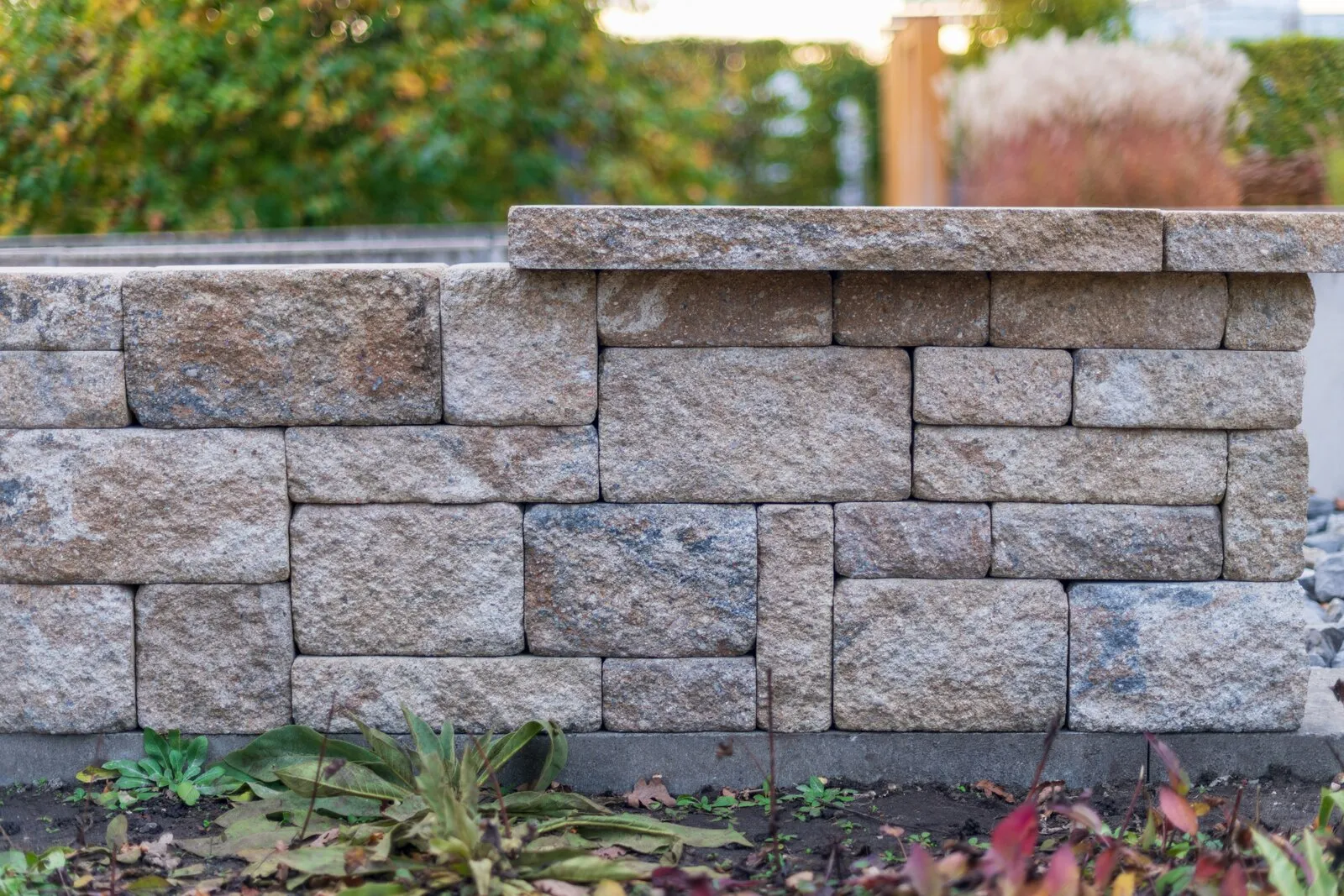
A retaining wall holds back a grade change — a raised planter bed, a sloped side yard, a cut for a driveway or patio — and unlike a perimeter or decorative wall, it carries real structural load from the soil and water pressure behind it. That load is exactly why Arizona licenses this work separately from ordinary fencing.
Why this is R-31 work, not R-14
Arizona ROC’s classification list draws a clear, explicit line here: R-14 (Fencing) covers metal, wood, and cement block fencing, automatic gates, and cattle guards — and specifically excludes retaining-wall installation. R-31 (Masonry) is the broader classification that covers structural masonry, concrete block, and related work, and is what a genuine retaining wall falls under.
In practice, this means a contractor who only holds an R-14 license isn’t licensed to build a structural retaining wall, even if they’re an experienced, reputable fence installer. This is a genuinely useful thing to check before hiring — not a technicality, since the license distinction tracks a real difference in the engineering knowledge a retaining wall actually requires (soil load, drainage design, footing depth) versus what a fence needs. See the full R-14 vs. R-31 license guide for the complete breakdown, and verify any specific contractor’s license classification directly at roc.az.gov before signing a contract.
What drives cost and risk
- Height. Cost and engineering requirements both increase disproportionately as wall height increases — a low, 18-inch garden wall is a very different project from a 4-foot retaining wall holding back a driveway cut.
- Drainage design. Weep holes, gravel backfill, and sometimes a drain pipe behind the wall are what prevent hydrostatic pressure from building up and pushing the wall outward over time. This is the single most common point of failure on a poorly-built retaining wall, and it’s also the easiest thing for a low bid to skip since it’s invisible once the wall is finished.
- Footing depth and reinforcement. Needs to be sized to the specific soil and load — not a generic number reused across every job.
- Soil conditions. Much of the Yuma area sits on caliche, a naturally cemented calcium-carbonate hardpan common across the Sonoran Desert, which can affect both excavation cost and how a footing needs to be designed.
- Permit and engineering review. Taller walls, or walls near a property line, canal, or drainage easement, may require a permit and engineered plans — confirm current City of Yuma requirements before finalizing scope.
Vetting checklist
- Confirm the contractor holds an active R-31 (Masonry) license — verify it yourself at roc.az.gov, since this scope specifically requires it.
- Ask directly how the design handles drainage behind the wall — a vague or dismissive answer here is a real warning sign, not a minor detail.
- Get footing depth and reinforcement specs in writing, sized to your wall’s actual height and soil.
- For any wall above a few feet, ask whether the project needs a permit or engineering sign-off under current City of Yuma rules, and confirm who’s responsible for pulling it.
Red flags
- A bid that doesn’t mention drainage at all.
- A license that verifies as R-14 (Fencing) rather than R-31 (Masonry) for a genuine load-bearing retaining wall.
- A flat per-foot price quoted without a site visit — height and soil conditions change the engineering enough that a responsible contractor needs to see the actual grade.
- Reluctance to discuss permit requirements for a wall that’s clearly tall enough to need one.
Ready to compare quotes? Request a free, no-obligation quote and get matched with an independent local R-31-licensed masonry contractor for your retaining wall project.
Frequently Asked Questions
Why can't my fence contractor build my retaining wall?
Arizona's ROC R-14 (Fencing) license classification explicitly excludes retaining-wall installation — it's scoped to fencing, gates, and cattle guards. Structural retaining wall work falls under R-31 (Masonry). A contractor who only holds R-14 isn't licensed to perform this specific scope of work, regardless of how much fencing experience they have.
Does a retaining wall need a permit in Yuma?
Depending on height and location, it may — and a wall built without required permits or engineering can create real liability if it fails. Confirm current permit requirements with the City of Yuma before starting, particularly for any wall retaining a significant grade change or sitting near a property line, canal, or drainage easement.
What causes a retaining wall to fail?
The most common causes are inadequate drainage behind the wall (hydrostatic pressure building up and pushing the wall outward), insufficient footing depth for the soil and load, and undersized or missing reinforcement for the wall's height. Ask any contractor bidding the job specifically how they're addressing drainage — it's the single most common point of failure and the easiest one to shortcut on a low bid.
Is a retaining wall the same as a perimeter block wall?
No — a perimeter wall marks a property boundary and typically doesn't hold back soil on one side. A retaining wall's whole structural purpose is holding back a grade change, which means it carries soil/hydrostatic loads a perimeter wall doesn't, and needs to be engineered accordingly. See the perimeter block wall page for that project type.
Get a Free Retaining Wall Installation in Yuma, AZ Quote
Tell us about your project — no obligation.